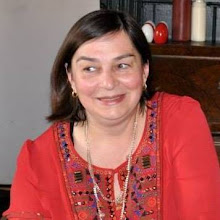
On July 13th there’s a chance to read at open mic after three of our best-loved and strongest women poets: Elaine Feinstein, Mimi Khalvati and Fiona Sampson. The atmosphere in the room at our Lumen venue is sure to be electric, so try not to miss this one. With such a wonderful event it’s sure to bring together all the regulars plus plenty of newcomers, so the poetry will mix with a chance to socialise over wine and soft drinks with friends old and new.
If you’re new to the Camden and Lumen Poetry Series then the format is that booked poets are invited to read in the first and second half, with an interval for wine, soft drinks and chat in the middle. Poets from the floor are called up by our organiser, the poet Ruth O’Callaghan, so if you’d like to read then bring along one poem of up to 40 lines. When you come in you’ll be able to put your name on a list to be called, and if you leave a copy of the poem with your contact details it will be sent to the editor of next year’s anthology for consideration. All proceeds from entrance, drinks table, and book sales (the books have been generously donated by publishers) go to support the Cold Weather Shelters for the homeless.
What a wonderful line-up there is for this event from 6.30 – 9pm at Lumen, 88 Tavistock Place, within walking distance of Russell Square, St Pancras and Euston stations. Full details are on the Events page on http://www.camdenlumen.wordpress.com and you can also find the Camden and Lumen group on Facebook to be kept up-to-date on the twice-monthly events.
Sunday, 13 June 2010


Saturday, 12 June 2010
The Birth of a Publishing Company 4: The Authors
The contracts have been sent out and arrived back signed this week so I can talk about the first three authors on the Ward Wood Publishing list. I'm thrilled by the thought of these books appearing in September, October and November this year as they're all so strong.
If you're reading my posts to find out how to start your own publishing company and want to know how to arrange a contract then you'll find the Society of Authors offers model contracts. We were lucky enough to be able to base a contract on the one Mike Fortune-Wood already uses for Cinnamon Press.
If you want some ideas about how authors are chosen then the selection of these authors should give some tips. While the company is getting established I did need to select authors who were previously published and had the kind of skills needed to help us promote. As time goes on this will help me to reach further out to discover and encourage new talent.
The first book due out in September is by the author Sue Guiney, an American who lives in London. Her novel is called A Clash of Innocents and is set in Phnom Penh, Cambodia. It's narrated by a strong American woman who left the US thirty years before and is running an orphanage together with the Cambodian girl she has adopted. I won't ruin the plot, but this completely believable character gradually reveals why she left the US and why she's so distrustful of the volunteers who arrive and may damage the children she is determined to protect.
How did I select Sue? I had come across Sue online and noticed that she was always among the most active when Facebook and blogs were being used to resolve problems in publishing. With publishers closing down during the recession she was there taking part in trying to find ways for authors to move forward. She arranged the get-together for authors who had been left isolated by the demise of Bluechrome, and I also heard her read at the Camden and Lumen Poetry Series one day. She felt like a good person to approach with my ideas about a new company and her response made me realise it would be well received by authors. She also told me she had a new novel and asked if I'd read it. When she posted it to me I couldn't put it down - a sure sign that it was a good choice. It was also extremely well polished and ready for the editor's desk.
The second author I selected is Ann Alexander, who sent me her latest poetry collection called Too Close. Those of you reading this on the internet will be glad to know that Ann is also somebody who came into contact with me online, this time only via Facebook. I have no idea how we became Facebook 'friends' but I hardly knew Ann before the start of Ward Wood Publishing led to some talk between us and the submission of her manuscript.
Ann had also lost her publisher, Peterloo, who brought out two previous collections. I'm pleased we can help authors of this standard carry on in the knowledge each of their books has an outlet. It's so important to be able to keep writing without having to worry about finding a publisher each time, and that's why I want Ward Wood to publish fiction, nonfiction and plays as well as poetry. It gives authors a home for all of their work if they want that.
Poets who have won prizes and appeared in good magazines and broadcasts can tempt a publisher, although this isn't necessary if I see a good collection submitted. Ann has a more impressive track record than most editors could hope for. She took first prize in the Frogmore, Bedford Open, and Mslexia competitions, came 3rd in the BBC’s poem for Britain (2003) and 3rd in the Peterloo poetry competition.
Again it struck me immediately as a book I couldn't stop reading, each poem so direct and readable but with disturbing depths. It's about the everyday, based on Ann's life as an outsider who has settled in Penzance, but the troubles beneath will hit the nerves of her readers. Ann and Sue are two incredibly strong female voices who will appeal to men and women alike.
When I saw Ann's submission it was clear that time and effort had gone into perfecting the poems, choosing the right order, and making it all work as a collection. Like Sue's book, this one was more than ready for the editor's desk. If there's a hint I could give to writers who want to submit to publishers, it would be not to send your manuscript too soon. Others will be sending writing that shows how hard it has been worked on so it's vital to do the same.
Ann's book is scheduled for October, and in November we have a poetry collection coming out from Mike Horwood, a name less familiar to audiences at UK readings. This is because Mike has lived in Finland for years, and being away from the reading circuit can isolate a poet if we think of poetry as 'a small world where everybody knows each other' as I've often heard it called. In fact Mike is an excellent reader of his own work to audiences if people get the chance to catch him on one of his visits.
Mike has one previous poetry book out - a translation of the work of the Finnish poet Martti Hynynen which was published by Cinnamon Press and is called island, nameless rock. Ward Wood will be bringing out his debut collection called Midas Touch, and I'm familiar with many of these poems as his poetry drew my attention when I saw him workshopping it online. You'll have realised by now that the internet has played a large part in these first selections!
The unusual characteristic about Mike's poems is that they create an atmosphere rather than telling us about the author, or passing on a message or set of ideas. For this type of poetry to work, the atmosphere must really captivate us, and with Mike's poetry it does. The poems create a strange feeling of heightened perception, like a room or forest setting which the poet lets us see at those times when nobody is there.
What does a room feel like when nobody is around, or a clearing in woodland with only an animal in it, or nothing sentient at all? Mike puts us in that odd crystal-clear atmosphere: the narrator of these poems is there, but effaced. The effect can also be that any characters who do come into the poems seem to be separated by glass, as if true communication between people can never really be achieved.
Mike's collection was not just highly readable, but also presented in a way that will only need tweaks if tiny errors are spotted at the editing stages. The poems had each been worked on and then put into order in a way that made the whole selection chime together. Working on the correct order for a collection is one of the most enjoyable tasks for a poet, along with knowing the moment when one set of poems feels complete as a book so that we can close the cover on it and place the next poem in a new folder.
These are the first authors on our list and so much work has been going on in the background before I could name them publicly: reading a number of manuscripts, settling on these ones (which jumped out quickly as great choices), and dealing with the many other tasks a publisher needs to handle at the same time as doing the editorial work. More about those other tasks in future posts, but just one more comment is needed before I finish.
Some of you will be reading this and thinking that it seems difficult to be chosen by an editor in the face of such competition. You don't need to have previous publications or contest wins to be selected, but you do need a manuscript that works and that has been polished to the highest standard you can manage. You don't need to read at open mics, although that's one place you could be talent-spotted. You do need to be sharing your writing in some way that gets you noticed, and this can lead to you being invited to submit by editors even if their website says 'Closed to submissions for the present.'
There are also other submissions that come to an editor's desk that show potential. The authors may even have good books already published, or they may not. These potentially publishable books take longer for an editor to accept or decline. Perhaps the author has sent them too soon and it's possible they just need more work. Whatever the reason, either an editor will just decline them, as there's so much work to be done to edit, publish and promote the accepted books. Or the editor may feel like giving feedback and reading the books again once they have been worked on.
In either case it means that these books will be set aside and will be prioritised during gaps in the editor's work, so it's worth writing and rewriting to the highest standard you can. That's the best tip I can give, along with sending them off at some point and not making the mistake another friend of mine makes because she's too much of a perfectionist!
If you're reading my posts to find out how to start your own publishing company and want to know how to arrange a contract then you'll find the Society of Authors offers model contracts. We were lucky enough to be able to base a contract on the one Mike Fortune-Wood already uses for Cinnamon Press.
If you want some ideas about how authors are chosen then the selection of these authors should give some tips. While the company is getting established I did need to select authors who were previously published and had the kind of skills needed to help us promote. As time goes on this will help me to reach further out to discover and encourage new talent.
The first book due out in September is by the author Sue Guiney, an American who lives in London. Her novel is called A Clash of Innocents and is set in Phnom Penh, Cambodia. It's narrated by a strong American woman who left the US thirty years before and is running an orphanage together with the Cambodian girl she has adopted. I won't ruin the plot, but this completely believable character gradually reveals why she left the US and why she's so distrustful of the volunteers who arrive and may damage the children she is determined to protect.
How did I select Sue? I had come across Sue online and noticed that she was always among the most active when Facebook and blogs were being used to resolve problems in publishing. With publishers closing down during the recession she was there taking part in trying to find ways for authors to move forward. She arranged the get-together for authors who had been left isolated by the demise of Bluechrome, and I also heard her read at the Camden and Lumen Poetry Series one day. She felt like a good person to approach with my ideas about a new company and her response made me realise it would be well received by authors. She also told me she had a new novel and asked if I'd read it. When she posted it to me I couldn't put it down - a sure sign that it was a good choice. It was also extremely well polished and ready for the editor's desk.
The second author I selected is Ann Alexander, who sent me her latest poetry collection called Too Close. Those of you reading this on the internet will be glad to know that Ann is also somebody who came into contact with me online, this time only via Facebook. I have no idea how we became Facebook 'friends' but I hardly knew Ann before the start of Ward Wood Publishing led to some talk between us and the submission of her manuscript.
Ann had also lost her publisher, Peterloo, who brought out two previous collections. I'm pleased we can help authors of this standard carry on in the knowledge each of their books has an outlet. It's so important to be able to keep writing without having to worry about finding a publisher each time, and that's why I want Ward Wood to publish fiction, nonfiction and plays as well as poetry. It gives authors a home for all of their work if they want that.
Poets who have won prizes and appeared in good magazines and broadcasts can tempt a publisher, although this isn't necessary if I see a good collection submitted. Ann has a more impressive track record than most editors could hope for. She took first prize in the Frogmore, Bedford Open, and Mslexia competitions, came 3rd in the BBC’s poem for Britain (2003) and 3rd in the Peterloo poetry competition.
Again it struck me immediately as a book I couldn't stop reading, each poem so direct and readable but with disturbing depths. It's about the everyday, based on Ann's life as an outsider who has settled in Penzance, but the troubles beneath will hit the nerves of her readers. Ann and Sue are two incredibly strong female voices who will appeal to men and women alike.
When I saw Ann's submission it was clear that time and effort had gone into perfecting the poems, choosing the right order, and making it all work as a collection. Like Sue's book, this one was more than ready for the editor's desk. If there's a hint I could give to writers who want to submit to publishers, it would be not to send your manuscript too soon. Others will be sending writing that shows how hard it has been worked on so it's vital to do the same.
Ann's book is scheduled for October, and in November we have a poetry collection coming out from Mike Horwood, a name less familiar to audiences at UK readings. This is because Mike has lived in Finland for years, and being away from the reading circuit can isolate a poet if we think of poetry as 'a small world where everybody knows each other' as I've often heard it called. In fact Mike is an excellent reader of his own work to audiences if people get the chance to catch him on one of his visits.
Mike has one previous poetry book out - a translation of the work of the Finnish poet Martti Hynynen which was published by Cinnamon Press and is called island, nameless rock. Ward Wood will be bringing out his debut collection called Midas Touch, and I'm familiar with many of these poems as his poetry drew my attention when I saw him workshopping it online. You'll have realised by now that the internet has played a large part in these first selections!
The unusual characteristic about Mike's poems is that they create an atmosphere rather than telling us about the author, or passing on a message or set of ideas. For this type of poetry to work, the atmosphere must really captivate us, and with Mike's poetry it does. The poems create a strange feeling of heightened perception, like a room or forest setting which the poet lets us see at those times when nobody is there.
What does a room feel like when nobody is around, or a clearing in woodland with only an animal in it, or nothing sentient at all? Mike puts us in that odd crystal-clear atmosphere: the narrator of these poems is there, but effaced. The effect can also be that any characters who do come into the poems seem to be separated by glass, as if true communication between people can never really be achieved.
Mike's collection was not just highly readable, but also presented in a way that will only need tweaks if tiny errors are spotted at the editing stages. The poems had each been worked on and then put into order in a way that made the whole selection chime together. Working on the correct order for a collection is one of the most enjoyable tasks for a poet, along with knowing the moment when one set of poems feels complete as a book so that we can close the cover on it and place the next poem in a new folder.
These are the first authors on our list and so much work has been going on in the background before I could name them publicly: reading a number of manuscripts, settling on these ones (which jumped out quickly as great choices), and dealing with the many other tasks a publisher needs to handle at the same time as doing the editorial work. More about those other tasks in future posts, but just one more comment is needed before I finish.
Some of you will be reading this and thinking that it seems difficult to be chosen by an editor in the face of such competition. You don't need to have previous publications or contest wins to be selected, but you do need a manuscript that works and that has been polished to the highest standard you can manage. You don't need to read at open mics, although that's one place you could be talent-spotted. You do need to be sharing your writing in some way that gets you noticed, and this can lead to you being invited to submit by editors even if their website says 'Closed to submissions for the present.'
There are also other submissions that come to an editor's desk that show potential. The authors may even have good books already published, or they may not. These potentially publishable books take longer for an editor to accept or decline. Perhaps the author has sent them too soon and it's possible they just need more work. Whatever the reason, either an editor will just decline them, as there's so much work to be done to edit, publish and promote the accepted books. Or the editor may feel like giving feedback and reading the books again once they have been worked on.
In either case it means that these books will be set aside and will be prioritised during gaps in the editor's work, so it's worth writing and rewriting to the highest standard you can. That's the best tip I can give, along with sending them off at some point and not making the mistake another friend of mine makes because she's too much of a perfectionist!
Wednesday, 12 May 2010
The Birth of a Publishing Company 3
Today is the day we've been working towards with excitement and also much preparation. You always need to be ready for a birth, and this morning our new publishing company was born. After much discussion between the eager couple a name had been settled on in readiness for the big day and it's Ward Wood Publishing.
Of course the mother and father of this new publishing company aren't a real couple: we're business partners, so the important step we needed to make involved signing a partnership agreement. I was delighted to sign my name under that of Mike Fortune-Wood, who brings years of publishing experience to the new company.
I have long admired Mike's expertise with graphics and web design as well as the production side of publishing. He's also the business manager and particularly easy to work with. The book covers he designs are admired by many, me included. I'll be in charge of all things editorial and dealing with promotion, and we'll both be involved in book launches and events.
The company is new but Mike has experience with Cinnamon Press and I've spent my whole working life in writing and publishing, so we're far from new to the business. The signing of the partnership agreement should have been followed by a champagne celebration - a champagne breakfast at that time of day - but Mike was driving back to Wales and I didn't want to risk losing him straight away! So instead there was a good deal of chatting, laughing, and discussing ideas without alcohol in the London sunshine.
Those of you reading this to find out how to set up a publishing company will want to know how to arrange a partnership agreement and author contracts. We had author contracts which we could modify as we have both worked for publishing companies before, but you can get a model contract from the Society of Authors and tweak it for your own needs. There are partnership agreements available online but most are too complex and would need a lawyer to sort out any amendments. Mike purchased a more simple partnership agreement suitable to our needs.
Soon our website will go live and the first three authors are looking at their contracts as I write this. I'm pleased with the first books we'll be aiming to bring out this autumn and can only let you all guess how it makes me feel to have made this step today. It's the realisation of a long-held dream now that Ward Wood Publishing is born.
Of course the mother and father of this new publishing company aren't a real couple: we're business partners, so the important step we needed to make involved signing a partnership agreement. I was delighted to sign my name under that of Mike Fortune-Wood, who brings years of publishing experience to the new company.
I have long admired Mike's expertise with graphics and web design as well as the production side of publishing. He's also the business manager and particularly easy to work with. The book covers he designs are admired by many, me included. I'll be in charge of all things editorial and dealing with promotion, and we'll both be involved in book launches and events.
The company is new but Mike has experience with Cinnamon Press and I've spent my whole working life in writing and publishing, so we're far from new to the business. The signing of the partnership agreement should have been followed by a champagne celebration - a champagne breakfast at that time of day - but Mike was driving back to Wales and I didn't want to risk losing him straight away! So instead there was a good deal of chatting, laughing, and discussing ideas without alcohol in the London sunshine.
Those of you reading this to find out how to set up a publishing company will want to know how to arrange a partnership agreement and author contracts. We had author contracts which we could modify as we have both worked for publishing companies before, but you can get a model contract from the Society of Authors and tweak it for your own needs. There are partnership agreements available online but most are too complex and would need a lawyer to sort out any amendments. Mike purchased a more simple partnership agreement suitable to our needs.
Soon our website will go live and the first three authors are looking at their contracts as I write this. I'm pleased with the first books we'll be aiming to bring out this autumn and can only let you all guess how it makes me feel to have made this step today. It's the realisation of a long-held dream now that Ward Wood Publishing is born.
Tuesday, 11 May 2010
The Birth of a New Publishing Company 2
I promised to keep you all informed about the stages in setting up a new publishing company, and although things may sound quiet we've been extremely busy behind the scenes. By later this week I'll be able to issue a press release to give details about the company, the co-owners, and some information about the first authors.
The reason it all seems quiet is that so much needs to be done privately to set up a publishing company before the public launch. We've put together a partnership agreement and also an author contract (more about how to do this in future posts in case you're thinking of starting a company yourselves). My business partner has been working hard at designing a logo and building the website offline.
All of this takes time and good collaboration, and I'm pleased to find we work really well together. My partner is in charge of the website, graphics, production and the business side of things. I'll be dealing with the editorial side and promotion, and we'll both be involved in book launches.
So what have I been doing all this time? The first thing I needed to do was approach authors as the first submissions have been by invitation only. The authors have been incredibly discreet, waiting for the public launch so they can tell others that their books have found a home.
I was delighted to find three exceptional books by three strong and original voices which will start our list. As you can imagine I've been reading manuscripts and working with the first authors selected to edit their books where necessary.
This means that when we sign our partnership agreement tomorrow we shall be ready to launch the company with authors already selected. I can't wait to give you all more details and it won't be long now.
In future posts I'll be talking about how I selected the authors, which should be helpful to writers seeking a publisher. Apart from pleasing the editor there are production factors to take into consideration, such as why some publishing houses ask for books of specific lengths.
So watch out for The Birth of a Publishing Company 3 (it's starting to sound like a movie)!
The reason it all seems quiet is that so much needs to be done privately to set up a publishing company before the public launch. We've put together a partnership agreement and also an author contract (more about how to do this in future posts in case you're thinking of starting a company yourselves). My business partner has been working hard at designing a logo and building the website offline.
All of this takes time and good collaboration, and I'm pleased to find we work really well together. My partner is in charge of the website, graphics, production and the business side of things. I'll be dealing with the editorial side and promotion, and we'll both be involved in book launches.
So what have I been doing all this time? The first thing I needed to do was approach authors as the first submissions have been by invitation only. The authors have been incredibly discreet, waiting for the public launch so they can tell others that their books have found a home.
I was delighted to find three exceptional books by three strong and original voices which will start our list. As you can imagine I've been reading manuscripts and working with the first authors selected to edit their books where necessary.
This means that when we sign our partnership agreement tomorrow we shall be ready to launch the company with authors already selected. I can't wait to give you all more details and it won't be long now.
In future posts I'll be talking about how I selected the authors, which should be helpful to writers seeking a publisher. Apart from pleasing the editor there are production factors to take into consideration, such as why some publishing houses ask for books of specific lengths.
So watch out for The Birth of a Publishing Company 3 (it's starting to sound like a movie)!
Sunday, 9 May 2010
Shuttle and Sampson Support Homeless Charity Anthology
I had two bits of welcome news to make up for the election chaos this week. One is that I have poems in the Seeking Refuge anthology and will be reading them at the launch this week. The other is that my old tutor Andrew Motion got married on Saturday, so all good wishes to him and his wife.
Andrew was a fabulous tutor and one of those rare life-changing people who cross our paths. He gave me belief in myself as a writer and helped me identify the strengths and weaknesses of my own style without trying to change how I wrote.
Penelope Shuttle and Fiona Sampson are two of the well-known poets supporting Seeking Refuge, the latest anthology from the Camden and Lumen Poetry project in aid of the homeless. Each year Ruth O’Callaghan organises regular open mics with all proceeds going to the Cold Weather Shelters, and readers can submit the poems they perform for inclusion in this prestigious anthology.
Jan Fortune-Wood selected the best poems from last year’s open mics and edited Seeking Refuge, which has been published by Cinnamon Press this year. The standard of the poems is high, and the collection also makes poetry accessible, so the anthology is a perfect gift as Jan indicates: ‘This is real poetry with a real purpose – accessible, entertaining, varied and able to make a difference. Seeking Refuge is both a great way to get into poetry and a fantastic way to support an essential charity housing London’s homeless.’
Seeking Refuge is already available from Inpress Books, and as all proceeds go to the Cold Weather Shelters it’s worth getting a copy and a few extra to give as gifts. The launch, on May 9th in the Lumen venue, is sure to be a vibrant and sociable event, with the selected poets reading their Seeking Refuge poem, and copies available for purchase.
Please share this information and review the book on your websites to raise as much as possible for the Cold Weather Shelters. This project supports two worthwhile causes – poetry with the open mics, and the homeless in the shelters. It’s also good fun to come along and read and you can submit poems to be considered for next year’s anthology. Every penny raised at events and with the anthology goes to the homeless.
You can find the Seeking Refuge anthology on Inpress Books here http://www.inpressbooks.com/seeking_refuge_jan_fortunewood_i020914.aspx and you can see more about it and also find how to take part in the open mics if you look at the Camden and Lumen website here http://www.camdenlumen.wordpress.com Hope to meet some of your there.
Andrew was a fabulous tutor and one of those rare life-changing people who cross our paths. He gave me belief in myself as a writer and helped me identify the strengths and weaknesses of my own style without trying to change how I wrote.
Penelope Shuttle and Fiona Sampson are two of the well-known poets supporting Seeking Refuge, the latest anthology from the Camden and Lumen Poetry project in aid of the homeless. Each year Ruth O’Callaghan organises regular open mics with all proceeds going to the Cold Weather Shelters, and readers can submit the poems they perform for inclusion in this prestigious anthology.
Jan Fortune-Wood selected the best poems from last year’s open mics and edited Seeking Refuge, which has been published by Cinnamon Press this year. The standard of the poems is high, and the collection also makes poetry accessible, so the anthology is a perfect gift as Jan indicates: ‘This is real poetry with a real purpose – accessible, entertaining, varied and able to make a difference. Seeking Refuge is both a great way to get into poetry and a fantastic way to support an essential charity housing London’s homeless.’
Seeking Refuge is already available from Inpress Books, and as all proceeds go to the Cold Weather Shelters it’s worth getting a copy and a few extra to give as gifts. The launch, on May 9th in the Lumen venue, is sure to be a vibrant and sociable event, with the selected poets reading their Seeking Refuge poem, and copies available for purchase.
Please share this information and review the book on your websites to raise as much as possible for the Cold Weather Shelters. This project supports two worthwhile causes – poetry with the open mics, and the homeless in the shelters. It’s also good fun to come along and read and you can submit poems to be considered for next year’s anthology. Every penny raised at events and with the anthology goes to the homeless.
You can find the Seeking Refuge anthology on Inpress Books here http://www.inpressbooks.com/seeking_refuge_jan_fortunewood_i020914.aspx and you can see more about it and also find how to take part in the open mics if you look at the Camden and Lumen website here http://www.camdenlumen.wordpress.com Hope to meet some of your there.
Tuesday, 27 April 2010
Monique Roffey: A White Woman, A Green Bicycle, and the Orange Prize
It came as no surprise to me to hear Monique Roffey had been shortlisted for the Orange Prize for her novel The White Woman on the Green Bicycle. As soon as I received it for review I knew I was in for a treat and I wasn’t disappointed. Roffey is surely one of the best women novelists around and this tale of Trinidad is as irresistible as her earlier work.
Her first novel, Sun Dog, tempted me to buy it after reading an excerpt. It’s not easy for a debut novelist to have this effect, but there was something about her fragile anti-hero as he discovered his body was changing with the seasons, sprouting buds between fingers and toes in Spring. I just had to read more and find out about this shy young man working in a delicatessen and rebelling against the commune upbringing he’d had with his hippy mother.
The White Woman on a Green Bicycle tempts the reader just as Sun Dog did. The lush landscape of Trinidad makes us feel we’re right there, or want to be there. In fact the green hills of Trinidad come so vividly to life that they actually speak to the characters and seduce them or inspire their envy.
It might be hard to imagine why one of the main characters, Sabine, doesn’t want to live there and craves the London suburban home her husband promised her if she would spend a bit of time in Trinidad while he establishes himself in his job. But, from the first days, Sabine is sensitive to the feeling that Trinidad doesn’t want her, doesn’t want the white people still living like the colonialists of the past. She’s both attracted to Trinidad and its people, and also pushed out due to her compassion and awareness. She agrees with the Trinidadians but she isn’t one of them so can’t rebel alongside them.
Her husband George is different. Like the other men sent there by businesses he can be important in Trinidad, can have a decent job, buy land and build his big house, and move on from the strong love he feels for his wife at the start through a series of affairs as the decades become more permissive. Gradually Sabine realises he will never keep his promise to take her home – this is his home. Her children are Creole and love the island, and she’s the only disappointed one: the one who doesn’t ever feel she fits in.
Roffey’s expertise is in telling this story from the point of view of both characters, Sabine and George, and keeping the reader’s empathy for both of them. In fact, we can tell that their love for each other has somehow survived. At the start of the book they’re both old and resigned to what their life has been, having given up on what they had hoped for, so I’ve given away none of the plot.
Instead of making the reader wait to see what happens we start at the end of their lives and the book lets us see back into various details. The first half of the novel is from George’s perspective, as an old man, wanting somehow to redeem himself in his wife’s eyes. The second half is told by the young Sabine from the time of her arrival on the island through the first decades of their marriage.
I particularly enjoy a book that tells me about the history of a country that I hadn’t known about, and Roffey does this in a masterful way. Not long after Sabine and George arrive the Trinidadians are roused to support the charismatic leader Eric Williams who promises to free them from the remnants of colonialism. Sabine is metaphorically seduced by him, empathising with the people, and is emotionally and physically aroused by the atmosphere he creates. I’ll say no more, and leave you to discover how Roffey weaves politics, landscape, the personal and the public figures so that the bigger picture and the smaller picture somehow work together.
If I have a criticism it’s that at times Roffey’s style can follow the day-to-day in such a realistic way that it’s possible to leave the book down and pick it up again weeks later. This happens in some chapters during the first half where we see George’s view of the marriage and Trinidad. Having said that, even his account is interspersed with vivid scenes including the beating of a black teenager by the local police that had me on the edge of my seat.
Once the story moves to Sabine’s perspective I couldn’t get enough of it. There’s always a risk when a novelist tells a story through two different viewpoints that the reader will prefer one to the other. Roffey has imagined life through the experience of both George and Sabine so well that it still feels like a major achievement, and no doubt many male readers will empathise more with George.
Compassion is a quality I look for in a novelist and Roffey certainly has it. She has written so that we can understand the history of Trinidad and this particular marriage, and she has done it without allocating blame so that we understand the reasons for the failures of individuals and even Eric Williams. The characters come to life in our minds and we remember them as if we knew them, and it’s as if we’ve been to Trinidad or want to go. It’s a novel that will stay in the mind like a memory of a real experience, and I highly recommend it.
Her first novel, Sun Dog, tempted me to buy it after reading an excerpt. It’s not easy for a debut novelist to have this effect, but there was something about her fragile anti-hero as he discovered his body was changing with the seasons, sprouting buds between fingers and toes in Spring. I just had to read more and find out about this shy young man working in a delicatessen and rebelling against the commune upbringing he’d had with his hippy mother.
The White Woman on a Green Bicycle tempts the reader just as Sun Dog did. The lush landscape of Trinidad makes us feel we’re right there, or want to be there. In fact the green hills of Trinidad come so vividly to life that they actually speak to the characters and seduce them or inspire their envy.
It might be hard to imagine why one of the main characters, Sabine, doesn’t want to live there and craves the London suburban home her husband promised her if she would spend a bit of time in Trinidad while he establishes himself in his job. But, from the first days, Sabine is sensitive to the feeling that Trinidad doesn’t want her, doesn’t want the white people still living like the colonialists of the past. She’s both attracted to Trinidad and its people, and also pushed out due to her compassion and awareness. She agrees with the Trinidadians but she isn’t one of them so can’t rebel alongside them.
Her husband George is different. Like the other men sent there by businesses he can be important in Trinidad, can have a decent job, buy land and build his big house, and move on from the strong love he feels for his wife at the start through a series of affairs as the decades become more permissive. Gradually Sabine realises he will never keep his promise to take her home – this is his home. Her children are Creole and love the island, and she’s the only disappointed one: the one who doesn’t ever feel she fits in.
Roffey’s expertise is in telling this story from the point of view of both characters, Sabine and George, and keeping the reader’s empathy for both of them. In fact, we can tell that their love for each other has somehow survived. At the start of the book they’re both old and resigned to what their life has been, having given up on what they had hoped for, so I’ve given away none of the plot.
Instead of making the reader wait to see what happens we start at the end of their lives and the book lets us see back into various details. The first half of the novel is from George’s perspective, as an old man, wanting somehow to redeem himself in his wife’s eyes. The second half is told by the young Sabine from the time of her arrival on the island through the first decades of their marriage.
I particularly enjoy a book that tells me about the history of a country that I hadn’t known about, and Roffey does this in a masterful way. Not long after Sabine and George arrive the Trinidadians are roused to support the charismatic leader Eric Williams who promises to free them from the remnants of colonialism. Sabine is metaphorically seduced by him, empathising with the people, and is emotionally and physically aroused by the atmosphere he creates. I’ll say no more, and leave you to discover how Roffey weaves politics, landscape, the personal and the public figures so that the bigger picture and the smaller picture somehow work together.
If I have a criticism it’s that at times Roffey’s style can follow the day-to-day in such a realistic way that it’s possible to leave the book down and pick it up again weeks later. This happens in some chapters during the first half where we see George’s view of the marriage and Trinidad. Having said that, even his account is interspersed with vivid scenes including the beating of a black teenager by the local police that had me on the edge of my seat.
Once the story moves to Sabine’s perspective I couldn’t get enough of it. There’s always a risk when a novelist tells a story through two different viewpoints that the reader will prefer one to the other. Roffey has imagined life through the experience of both George and Sabine so well that it still feels like a major achievement, and no doubt many male readers will empathise more with George.
Compassion is a quality I look for in a novelist and Roffey certainly has it. She has written so that we can understand the history of Trinidad and this particular marriage, and she has done it without allocating blame so that we understand the reasons for the failures of individuals and even Eric Williams. The characters come to life in our minds and we remember them as if we knew them, and it’s as if we’ve been to Trinidad or want to go. It’s a novel that will stay in the mind like a memory of a real experience, and I highly recommend it.
Friday, 2 April 2010
NaPoWriMo is Here - Time to Write a Poem a Day
April is National Poetry Writing Month - or NaPoWriMo. I'll be attempting to write a poem a day, and not doing any editing or rewriting once I move on to the next day. Impossible to write a good poem like this? Well, it's how Robert Browning wrote Childe Roland to the Dark Tower Came. During a period of writers' block he decided to write a poem a day and this fabulous poem came in the first few days.
I've registered the Written Word Ning as an official NaPoWriMo group site so people can post their daily poems on the Forum there. Some are already posting and it's a helpful way to share and encourage each other through NaPoWriMo. You can also register yourself individually with the website where you'll be posting poems, or you can do it more privately.
It's helping me to get some poems out there which have been brewing in my head a little too long. So many other vital tasks take all the hours in the day and those poems linger inside. I'm glad April will be a month to prioritise poetry, and if you'd like to join in on the Written Word to share your daily poems you'll find it on http://www.writtenword.ning.com Click Forum on the toolbar and you'll see the NaPoWriMo poems.
I'm off for a break by the sea for a while and will post all my daily poems when I get back.
I've registered the Written Word Ning as an official NaPoWriMo group site so people can post their daily poems on the Forum there. Some are already posting and it's a helpful way to share and encourage each other through NaPoWriMo. You can also register yourself individually with the website where you'll be posting poems, or you can do it more privately.
It's helping me to get some poems out there which have been brewing in my head a little too long. So many other vital tasks take all the hours in the day and those poems linger inside. I'm glad April will be a month to prioritise poetry, and if you'd like to join in on the Written Word to share your daily poems you'll find it on http://www.writtenword.ning.com Click Forum on the toolbar and you'll see the NaPoWriMo poems.
I'm off for a break by the sea for a while and will post all my daily poems when I get back.
Subscribe to:
Posts (Atom)



 Posts
Posts