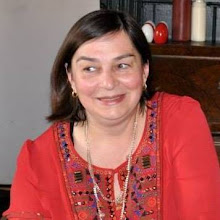
As authors we all hope our books will get noticed and invitations to be interviewed on radio or television are highly desirable. But I wonder if any authors look forward to these interviews with anything other than dread when the lucky opportunities arise? I have a feeling we all brace ourselves, aware that we could slip up and make complete fools of ourselves by saying the wrong thing live to the listening audience, including people we know.
I could hardly bring myself to say on Facebook that I was on my way this morning, but steeled myself and posted the link, especially as we were giving away five signed copies of the book for the answer to a simple question. You can still find it on the Colourful Radio website if you’d like a shot at winning.
Having spent most of my working life as a journalist I also feel more comfortable asking the questions rather than answering them. Making a guest feel comfortable is what I enjoy doing, and when I’m the interviewer I really enjoy the excitement of live broadcasts. You’re never quite sure where the interview might take you, because an unexpected answer from the guest can totally change the direction of the discussion.
It didn’t help that the Victoria Line was in trouble today, with delays, and I needed to get from north London to Vauxhall in the south in time for my live slot with Rosemary Laryea – a wonderfully professional presenter and interviewer. I got there by the skin of my teeth with just five minutes to spare, and Rosemary chatted to me and did a voice test while playing some of Colourful Radio’s gorgeous music.
The music is right up my street, so that was relaxing, and by the time the track ended we were ready for my first six-minute interview. Rosemary had told me she would then play another track and then we’d have another six-minute chat.
It’s incredible what a professional interviewer can cover in two six-minute conversations. For me it started to feel unreal once the headphones were on and I was trying to answer the unplanned questions without making a mistake. At times like that you go away unsure if you’ve given the right answers.
Usually when interviewed I make the mistake of speaking too fast to try to fit too much in, and I think that’s very hard for the listeners. Perhaps it was the early hour, perhaps it was the relaxing music, or perhaps it was the mantra I’d repeated all the way in the tube – ‘Don’t talk too fast, don’t talk too fast....’ but at least I avoided that pitfall.
It’s so hard to answer questions about a novel and fit your themes into a nutshell, but I suppose in the end it doesn’t matter. With more experience I suppose we can enjoy these chats and just make the most of them.
I had been invited to talk because the Colourful Radio book reviewer had been interested in the theme of homelessness in my novel Everything is Free, and particularly the fact that the main character Mel is a teenage runaway who moves into a shopping centre for warmth and comfort at Christmas.
I’m happy to talk about this theme and to draw attention to this issue. But I was also anxious because homelessness is just one theme in the book and the other major themes include racism and various types of prejudice including the way we view and treat women. One of the characters in the novel is in the BNP, and women are being watched on the sly using the CCTV system, while somebody in the darker corridors is attacking women.
Some of these themes can be difficult to talk about in a short interview, and I was wondering how the book reviewer on a black radio station might respond to my way of covering racism. I was both interested to get that feedback, good or bad, and also nervous. The review will be in another show, and in the meantime this broadcast is on Colourfulradio.com on the Rosemary Laryea page if you click on the show for the 8th of December in the 11am slot.
I’m glad I did it and I’m glad it’s over!
Showing posts with label Adele Ward. Show all posts
Showing posts with label Adele Ward. Show all posts
Thursday, 8 December 2011


Monday, 31 October 2011
Dear Publisher: Is it worth investing in an author website?
My feeling is that a blog is more useful to authors than a website. It's also a good idea to set a day of the week when you commit to writing a blog post so that it's regular.
With a blog you can post a link on Facebook and other places, and people can interact with you. Seeing how you write on the blog also gives them an indication about whether or not they might like your writing style and empathise with your ideas.
You shouldn't be put off blogging if you don't see many people following your blog, because they might read it but not follow, and I know I have people who follow anonymously. You will also find they probably mainly answer your blog posts on Facebook when you post the link from there. So you might not get many comments on your blog, and that doesn't matter.
A website is a much more static affair. It has information and people will go for that, but you can find it's harder to get traffic to a website because it isn't updating as much as a blog. They will also only follow a link to a blog if you've written something that intrigues them, so it's not just about updating regularly.
With a website the information tends to be about the author, and there are so many authors out there trying to ask people to look at their websites and examples of their writing. So you have to tempt them in via a blog. They might then follow the link to your website.
All of these things work together - Facebook and other social networks, a blog, your website and your publisher's website. They should all be interlinked so people get interested by something you say and then follow the links.
We put a detailed author page on our Ward Wood website too, which also links to the author blogs, Facebook and Twitter pages, and websites. Plus we link to any videos and examples of work, and the book sales of course.
I'm not sure how worthwhile it is to invest in a website if you mean you intend to pay a designer. As authors we are constantly being approached by people who want to be hired for this work.
I've never had an author website myself as it has always felt like just one more place to try to attract traffic and the advice I've usually been given is to try to keep everything in one place online if it's possible. It isn't possible so I just try to narrow down the number of places people need to look for my information.
For the same reason I haven't set up book pages or a fan page on Facebook as I try to keep everything in one place - although I need a separate group page for Ward Wood and also for one of the Lumen and Camden Poetry series of events I help with (groups are needed to send invitations).
People who ask to be hired to work on author publicity tend to spend time setting up an author page on Facebook and book fan pages but I'm still to be convinced they actually help. I'm not always convinced hired publicists understand the best use of Facebook for authors.
I'm a fan of Kazuo Ishiguro on Facebook as he's too famous to be able to be on there personally, but I'm not sure fan pages for all authors serve a purpose. People want to follow us on one page - our main page I think.
Of course if you do have a website it will say as much about you as the cover design of your books. Will it be minimalist, with a pared down design that tells the world you're a literary writer? Will it be glossy and full of frills and show you're a commercial writer? Are you a bestselling author with readers who will expect an expensive looking design, or a poet whose readers really don't expect that? Or are you aspiring to be a bestselling author so it helps to look like one? Once you start getting into website design all sorts of factors have to be taken into account.
Readers don't have the same expectations about a blog - they want to see what you have to say, and if you're good at illustrating with artwork and photos then all the better. You need to ask yourself if you need a professionally designed website to reflect who you are as a writer, or is it enough to create what you need using Wordpress?
I don't think a website can hurt unless the design puts you in a category of writing you don't want to be involved in, and neither can a fan page or book page on Facebook - so long as we don't keep asking people to look at them as that just sounds like such a huge number of authors saying 'look at me and my writing' rather than 'I have this post on my blog which might be of interest to you.' It doesn't have to be about books and publishing. You may have something unique about your lifestyle and you can let us into it.
It can feel and look narcissistic to ask people just to come and look at us and our work. To have interaction with people online we have to genuinely be offering something they want and need, and we can do that with a blog. Of course, I also think we're offering something they want and need when we offer our books, but they'll decide for themselves which authors and publishers they like enough and they will buy their books.
With a blog you can post a link on Facebook and other places, and people can interact with you. Seeing how you write on the blog also gives them an indication about whether or not they might like your writing style and empathise with your ideas.
You shouldn't be put off blogging if you don't see many people following your blog, because they might read it but not follow, and I know I have people who follow anonymously. You will also find they probably mainly answer your blog posts on Facebook when you post the link from there. So you might not get many comments on your blog, and that doesn't matter.
A website is a much more static affair. It has information and people will go for that, but you can find it's harder to get traffic to a website because it isn't updating as much as a blog. They will also only follow a link to a blog if you've written something that intrigues them, so it's not just about updating regularly.
With a website the information tends to be about the author, and there are so many authors out there trying to ask people to look at their websites and examples of their writing. So you have to tempt them in via a blog. They might then follow the link to your website.
All of these things work together - Facebook and other social networks, a blog, your website and your publisher's website. They should all be interlinked so people get interested by something you say and then follow the links.
We put a detailed author page on our Ward Wood website too, which also links to the author blogs, Facebook and Twitter pages, and websites. Plus we link to any videos and examples of work, and the book sales of course.
I'm not sure how worthwhile it is to invest in a website if you mean you intend to pay a designer. As authors we are constantly being approached by people who want to be hired for this work.
I've never had an author website myself as it has always felt like just one more place to try to attract traffic and the advice I've usually been given is to try to keep everything in one place online if it's possible. It isn't possible so I just try to narrow down the number of places people need to look for my information.
For the same reason I haven't set up book pages or a fan page on Facebook as I try to keep everything in one place - although I need a separate group page for Ward Wood and also for one of the Lumen and Camden Poetry series of events I help with (groups are needed to send invitations).
People who ask to be hired to work on author publicity tend to spend time setting up an author page on Facebook and book fan pages but I'm still to be convinced they actually help. I'm not always convinced hired publicists understand the best use of Facebook for authors.
I'm a fan of Kazuo Ishiguro on Facebook as he's too famous to be able to be on there personally, but I'm not sure fan pages for all authors serve a purpose. People want to follow us on one page - our main page I think.
Of course if you do have a website it will say as much about you as the cover design of your books. Will it be minimalist, with a pared down design that tells the world you're a literary writer? Will it be glossy and full of frills and show you're a commercial writer? Are you a bestselling author with readers who will expect an expensive looking design, or a poet whose readers really don't expect that? Or are you aspiring to be a bestselling author so it helps to look like one? Once you start getting into website design all sorts of factors have to be taken into account.
Readers don't have the same expectations about a blog - they want to see what you have to say, and if you're good at illustrating with artwork and photos then all the better. You need to ask yourself if you need a professionally designed website to reflect who you are as a writer, or is it enough to create what you need using Wordpress?
I don't think a website can hurt unless the design puts you in a category of writing you don't want to be involved in, and neither can a fan page or book page on Facebook - so long as we don't keep asking people to look at them as that just sounds like such a huge number of authors saying 'look at me and my writing' rather than 'I have this post on my blog which might be of interest to you.' It doesn't have to be about books and publishing. You may have something unique about your lifestyle and you can let us into it.
It can feel and look narcissistic to ask people just to come and look at us and our work. To have interaction with people online we have to genuinely be offering something they want and need, and we can do that with a blog. Of course, I also think we're offering something they want and need when we offer our books, but they'll decide for themselves which authors and publishers they like enough and they will buy their books.
Sunday, 30 October 2011
Dear Publisher: My Present Publisher Isn’t Selling Enough of My Books
There are some questions I get asked so regularly as a publisher that I’ve decided it’s best to answer them on my blog so I can point the enquirers to the answers, and also I think these must be the questions in many people’s minds.
Published authors from large and small publishing houses ask me why their books aren’t selling well enough – although the question is always framed to put the blame with their publisher.
What they want is to move to a publishing company they can see puts effort into promotional activities and also actively approaches bookshops to try to get authors on to their shelves.
These authors will often say their sales figures stick at about 100 books and they ask me if they should change publisher seeing as that figure isn’t high enough.
The answer depends on what exactly has been done by both the publisher and the author and why the figure has stuck at this level. Sales figures for poetry are known to be low, but authors can be surprised at how low the sales figures can be for a debut novel, even with a major publisher.
A literary agent and a literary publicist told me a debut novel with a major publisher may typically sell about 500 copies. Hopefully with subsequent novels that figure should grow, or the publishing house may need to end the contract. An independent press would keep an author on their list with sales at this level.
Authors can think that their publisher isn’t repping the books to shops if they don’t see them on the shelves, and they may think the publisher hasn’t promoted enough if the books don’t sell. But publishers often do a lot of this work without giving the authors details, particularly when submitting books for prizes as it could cause bad feeling among the authors if it’s known who was and who wasn’t put forward for an award.
The first thing an author may know from a major publisher could be that they have been shortlisted. Should publishers keep authors more informed? Or might it be more disappointing to know how much work is done if the results are not too good? I keep our authors well informed about everything we do. But I wonder if, for authors in general, it can be nice not to know the massive promotional effort publishers put in so that the publisher can be blamed for low sales.
The main publishers do also have a whole process for preparing Advance Information sheets and sending reps round to bookshops to show them what’s on offer (you can see examples of AI sheets on each author page on our website - they all have AI sheet links). The bookshops turn down most of the books repped to them. It’s incredibly hard even for a major publisher to get books into shops, where customers are likely to go in looking for the main names and titles.
But managers are likely to take books by authors who have a connection to the local area, and the automated system for ordering means you can just show them your book and they can click and order it at their till. I know I’m repeating this, but it’s less daunting than you think to take your book into bookshops and talk to the buyer. I’ve never been turned down yet if there’s a reason why a book is relevant to the shop I’m approaching.
If a book sells that first hundred then the publisher has launched and promoted it, but the publicity department will stop after a while and move on to the new season’s offerings. They will also be asked to focus on the books that seem to have most chance of taking off. So it does become the author’s task to focus on keeping the sales momentum going. At this point, authors write to me to say their publisher isn’t organising enough events for them. I’ve heard this about both large and small publishing companies.
It surprises me that so many authors feel this is something they should wait at home for until the publishers arrange events and send them the bookings. As an author I had always assumed this was my task, and it is down to authors to keep themselves as actively involved with events, book groups, talks, literary festivals and so on as they can.
A publisher will help out with this. I do contact the literary festivals and will try to get bookings for our authors. But as an individual author it’s likely you’ll do much better by contacting directly – if the publisher phones event organisers and festivals they will get bookings for the authors on the list who catch the eye of the bookings manager and that might not be you.
At Ward Wood we do hold very regular events both for our authors and for authors from other publishers for mutual support, and this does help out as it can be difficult and expensive for authors to get bookings and venues in London. The promotion around an event also helps an author’s name get known. I heard this week that one of the main independent presses (with books in many bookshops) gets 90% of all sales at events, so this shows how important they are.
Even if sales are low at events – and bookselling is hard anywhere – getting articles about each event into local newspapers and on listings sites does get your name seen regularly so that people know that you and your book exist.
I’ve concentrated on fiction in this piece because poetry has its own particular difficulties but as it has always been hard to sell there are also ways to help your book along. I’ll write about poetry soon in another post. However, many of these points are equally true of poetry.
One main difference is that poetry mainly sells at events with few sales from other sources, and sales at events aren't high either, so the effort is much greater. For those with stage fright it is possible to get involved in other ways, perhaps organising events for others (which I like to do)or a very good blog could help.
The fact is that, no matter how great the promotional effort from a poetry press, the sales figures will be in the low hundreds and about 90% of all books sold will be at events. There's no strong reason to move from one poetry press to another as you will be responsible for this 90% of sales no matter which publisher you choose. However, if you have other reasons for leaving a poetry press then it's a good idea to be with one known for good promotion because your name will be more widely seen. It's not just about sales, but also about building a reputation.
The brief answer to people who approach me saying their publisher has only sold 100 copies of their book, hasn’t got it into bookshops and doesn’t arrange events for them, is simple. As this usually comes with an approach to me as a potential publisher the fact is that the sales figure worries me, and not because the other publisher might be to blame.
I would be worried that the author hasn’t found ways to approach bookshops, to organise events, to create a popular blog, to build a Facebook following, to answer posts on high traffic websites (they let you link your name back to your own website which really helps), to do every single thing that helps a novel make that leap from being in the lower hundreds to 500 or more.
And maybe with enough effort a novel could make that magic leap and really take off. But not if the author is saying ‘Why isn’t somebody doing this for me?’ I work extremely hard to promote our authors and to rep their books to shops and organise events. I expect authors to work just as hard at it because it’s a collaboration.
Some authors are lucky and a debut novel is the one a major publishing company puts a massive promotional effort into and it takes off. Everything is done for the novelist. But for most of us getting up above the lower hundreds in sales takes a phenomenal effort and getting published is only the first hurdle. Getting the book to sell is the hardest part – harder even than writing the book, which we all know is extremely difficult.
I’ve been impressed by the mid-list authors from major publishers who have approached me when moving down to an independent seeing as their sales figures don’t reach the high targets expected. They have a real focus on approaching bookshops and giving events, and getting into the press and media.
I know it sounds like hard work and impossible, but writing a book feels like that too, and so does attracting a publisher. We can try to increase our sales figures with the same determination we put into the other tasks needed to be an author.
Published authors from large and small publishing houses ask me why their books aren’t selling well enough – although the question is always framed to put the blame with their publisher.
What they want is to move to a publishing company they can see puts effort into promotional activities and also actively approaches bookshops to try to get authors on to their shelves.
These authors will often say their sales figures stick at about 100 books and they ask me if they should change publisher seeing as that figure isn’t high enough.
The answer depends on what exactly has been done by both the publisher and the author and why the figure has stuck at this level. Sales figures for poetry are known to be low, but authors can be surprised at how low the sales figures can be for a debut novel, even with a major publisher.
A literary agent and a literary publicist told me a debut novel with a major publisher may typically sell about 500 copies. Hopefully with subsequent novels that figure should grow, or the publishing house may need to end the contract. An independent press would keep an author on their list with sales at this level.
Authors can think that their publisher isn’t repping the books to shops if they don’t see them on the shelves, and they may think the publisher hasn’t promoted enough if the books don’t sell. But publishers often do a lot of this work without giving the authors details, particularly when submitting books for prizes as it could cause bad feeling among the authors if it’s known who was and who wasn’t put forward for an award.
The first thing an author may know from a major publisher could be that they have been shortlisted. Should publishers keep authors more informed? Or might it be more disappointing to know how much work is done if the results are not too good? I keep our authors well informed about everything we do. But I wonder if, for authors in general, it can be nice not to know the massive promotional effort publishers put in so that the publisher can be blamed for low sales.
The main publishers do also have a whole process for preparing Advance Information sheets and sending reps round to bookshops to show them what’s on offer (you can see examples of AI sheets on each author page on our website - they all have AI sheet links). The bookshops turn down most of the books repped to them. It’s incredibly hard even for a major publisher to get books into shops, where customers are likely to go in looking for the main names and titles.
But managers are likely to take books by authors who have a connection to the local area, and the automated system for ordering means you can just show them your book and they can click and order it at their till. I know I’m repeating this, but it’s less daunting than you think to take your book into bookshops and talk to the buyer. I’ve never been turned down yet if there’s a reason why a book is relevant to the shop I’m approaching.
If a book sells that first hundred then the publisher has launched and promoted it, but the publicity department will stop after a while and move on to the new season’s offerings. They will also be asked to focus on the books that seem to have most chance of taking off. So it does become the author’s task to focus on keeping the sales momentum going. At this point, authors write to me to say their publisher isn’t organising enough events for them. I’ve heard this about both large and small publishing companies.
It surprises me that so many authors feel this is something they should wait at home for until the publishers arrange events and send them the bookings. As an author I had always assumed this was my task, and it is down to authors to keep themselves as actively involved with events, book groups, talks, literary festivals and so on as they can.
A publisher will help out with this. I do contact the literary festivals and will try to get bookings for our authors. But as an individual author it’s likely you’ll do much better by contacting directly – if the publisher phones event organisers and festivals they will get bookings for the authors on the list who catch the eye of the bookings manager and that might not be you.
At Ward Wood we do hold very regular events both for our authors and for authors from other publishers for mutual support, and this does help out as it can be difficult and expensive for authors to get bookings and venues in London. The promotion around an event also helps an author’s name get known. I heard this week that one of the main independent presses (with books in many bookshops) gets 90% of all sales at events, so this shows how important they are.
Even if sales are low at events – and bookselling is hard anywhere – getting articles about each event into local newspapers and on listings sites does get your name seen regularly so that people know that you and your book exist.
I’ve concentrated on fiction in this piece because poetry has its own particular difficulties but as it has always been hard to sell there are also ways to help your book along. I’ll write about poetry soon in another post. However, many of these points are equally true of poetry.
One main difference is that poetry mainly sells at events with few sales from other sources, and sales at events aren't high either, so the effort is much greater. For those with stage fright it is possible to get involved in other ways, perhaps organising events for others (which I like to do)or a very good blog could help.
The fact is that, no matter how great the promotional effort from a poetry press, the sales figures will be in the low hundreds and about 90% of all books sold will be at events. There's no strong reason to move from one poetry press to another as you will be responsible for this 90% of sales no matter which publisher you choose. However, if you have other reasons for leaving a poetry press then it's a good idea to be with one known for good promotion because your name will be more widely seen. It's not just about sales, but also about building a reputation.
The brief answer to people who approach me saying their publisher has only sold 100 copies of their book, hasn’t got it into bookshops and doesn’t arrange events for them, is simple. As this usually comes with an approach to me as a potential publisher the fact is that the sales figure worries me, and not because the other publisher might be to blame.
I would be worried that the author hasn’t found ways to approach bookshops, to organise events, to create a popular blog, to build a Facebook following, to answer posts on high traffic websites (they let you link your name back to your own website which really helps), to do every single thing that helps a novel make that leap from being in the lower hundreds to 500 or more.
And maybe with enough effort a novel could make that magic leap and really take off. But not if the author is saying ‘Why isn’t somebody doing this for me?’ I work extremely hard to promote our authors and to rep their books to shops and organise events. I expect authors to work just as hard at it because it’s a collaboration.
Some authors are lucky and a debut novel is the one a major publishing company puts a massive promotional effort into and it takes off. Everything is done for the novelist. But for most of us getting up above the lower hundreds in sales takes a phenomenal effort and getting published is only the first hurdle. Getting the book to sell is the hardest part – harder even than writing the book, which we all know is extremely difficult.
I’ve been impressed by the mid-list authors from major publishers who have approached me when moving down to an independent seeing as their sales figures don’t reach the high targets expected. They have a real focus on approaching bookshops and giving events, and getting into the press and media.
I know it sounds like hard work and impossible, but writing a book feels like that too, and so does attracting a publisher. We can try to increase our sales figures with the same determination we put into the other tasks needed to be an author.
Monday, 3 January 2011
Poetry Raises £4,000 for the Homeless in North London
Despite the past year being a tricky one for many people financially, the Camden and Lumen Poetry project has raised even more for the homeless than the year before. This is a lovely surprise and a great help to the two Cold Weather Shelters supported. Here's proof that poetry can, among other things, serve a practical purpose.
I help out every month on the wine table and organise the website on http://www.camdenlumen.wordpress.com - and Ward Wood Publishing is also helping with the fundraising Lumen/Camden Poetry Competition which you can see on http://www.wardwoodpublishing.co.uk First prize, judged by Carol Ann Duffy, is publication of a 20-page pamphlet of poetry and 50 free copies.
But the force behind the Camden and Lumen Poetry Series is poet Ruth O'Callaghan, so here are a few New Year words from her:
"2010 proved a challenging year but we still managed to raise nearly £4000 (with gift-aid) for the two Cold Weather Shelters we fund, and one of the ministers has already written to say that without the money they would be unable to continue. SO a MEGA THANKS TO YOU for your continued support. Also a very big thank you to Chris, Lynne and Adele who consistently do the bar and door. If anyone would like to volunteer to do the rare evening as ‘holiday relief’ it would be much welcomed.
Also welcome are any suggestions you might have with regard to the evenings. They are your evenings giving you the opportunity to read in front of established publishers (and wonderful, surprising things have happened) and internationally well known poets, as well as being published alongside them in an anthology. Last Christmas, when asked for suggestions, many requested that the poets from the floor had their own evenings enabling them to have a five minute – or longer – spot to offer a wider range of their work. This we did but the evenings were poorly attended so we presume that, in general, you prefer publishers and ‘name’ poets – correct me if I’m mistaken. Meanwhile, there will always be floor spots and the opportunity for longer spots but within the publishers/named poets evenings.
And we do have good relationships with publishers – congratulations to those who have done the mentoring/workshops and have subsequently have been published, and to those who will be in the 2011 Poets-from-the-Floor anthology due out in May.
We have a fabulous line up of poets for 2011 including Anne Stevenson and, fresh from the brilliant Aldeburgh Festival, Matthew Caley, Bernard Kops and Imtiaz Dharker – her Mumbai lunch box is a must. And that is just in the first few months. The second half of the year is equally exciting and there will of course be publishers’ evenings so please make the most of the opportunities offered.
In fact, the first event of 2011 – 7th January at Camden – is that dynamic new publishing house Ward Wood presenting poets Mike Horwood and Ann Alexander. Come along, meet the publishers, find out what they are about.
We are growing. We now have a competition with the winner having a pamphlet published, the glassses of wine are a tad larger and the raffle – OH, the dear old raffle – prize is increasing from £25 to over £30 worth of goodies. The free raffle evenings were much appreciated so perhaps we should have spontaneous i.e. unannounced, ones during the year. Again, if anyone has any other suggestions please let me know."
- Ruth O'Callaghan
I help out every month on the wine table and organise the website on http://www.camdenlumen.wordpress.com - and Ward Wood Publishing is also helping with the fundraising Lumen/Camden Poetry Competition which you can see on http://www.wardwoodpublishing.co.uk First prize, judged by Carol Ann Duffy, is publication of a 20-page pamphlet of poetry and 50 free copies.
But the force behind the Camden and Lumen Poetry Series is poet Ruth O'Callaghan, so here are a few New Year words from her:
"2010 proved a challenging year but we still managed to raise nearly £4000 (with gift-aid) for the two Cold Weather Shelters we fund, and one of the ministers has already written to say that without the money they would be unable to continue. SO a MEGA THANKS TO YOU for your continued support. Also a very big thank you to Chris, Lynne and Adele who consistently do the bar and door. If anyone would like to volunteer to do the rare evening as ‘holiday relief’ it would be much welcomed.
Also welcome are any suggestions you might have with regard to the evenings. They are your evenings giving you the opportunity to read in front of established publishers (and wonderful, surprising things have happened) and internationally well known poets, as well as being published alongside them in an anthology. Last Christmas, when asked for suggestions, many requested that the poets from the floor had their own evenings enabling them to have a five minute – or longer – spot to offer a wider range of their work. This we did but the evenings were poorly attended so we presume that, in general, you prefer publishers and ‘name’ poets – correct me if I’m mistaken. Meanwhile, there will always be floor spots and the opportunity for longer spots but within the publishers/named poets evenings.
And we do have good relationships with publishers – congratulations to those who have done the mentoring/workshops and have subsequently have been published, and to those who will be in the 2011 Poets-from-the-Floor anthology due out in May.
We have a fabulous line up of poets for 2011 including Anne Stevenson and, fresh from the brilliant Aldeburgh Festival, Matthew Caley, Bernard Kops and Imtiaz Dharker – her Mumbai lunch box is a must. And that is just in the first few months. The second half of the year is equally exciting and there will of course be publishers’ evenings so please make the most of the opportunities offered.
In fact, the first event of 2011 – 7th January at Camden – is that dynamic new publishing house Ward Wood presenting poets Mike Horwood and Ann Alexander. Come along, meet the publishers, find out what they are about.
We are growing. We now have a competition with the winner having a pamphlet published, the glassses of wine are a tad larger and the raffle – OH, the dear old raffle – prize is increasing from £25 to over £30 worth of goodies. The free raffle evenings were much appreciated so perhaps we should have spontaneous i.e. unannounced, ones during the year. Again, if anyone has any other suggestions please let me know."
- Ruth O'Callaghan
Tuesday, 26 October 2010
Support a Bookshop and Win a Book
Ann Alexander’s poetry collection Too Close arrived from the printer today, so it joins Sue Guiney’s novel A Clash of Innocents as the second book from Ward Wood Publishing. With Mike Horwood’s poetry collection Midas Touch due out in a few weeks we’ll have a small but select set of books on offer by Christmas. So, it seems like time for a competition to support local bookshops and give readers a chance of winning one of these books.
If you buy from a local bookshop rather than buying online then send me a message by posting a comment here or by Facebook message. You can also contact me via the wardwoodpublishing.co.uk website. I’ve found local bookshops supportive and you can already buy our books off the shelves in some branches of Waterstones, Daunt Books and from the independent bookshop Sandoes. I know there are copies in stock in the Hampstead Waterstones, and also Daunt Books Marylebone Road.
These might not be close to you, so the best way to support a local bookshop is to go in and order books through them. This helps the bookshop, helps the publisher and author (as online booksellers often ask for a large discount and are sometimes unreliable – especially the main one!) and it helps buyers as there’s no extortionate postage. You also have the pleasure of going into a real bookshop for a browse and to enjoy the look, smell and feel of books!
If you order one of our books through a bookshop then let me know and you can choose one of the other two books to get your name in a prize draw. Let me know which bookshop you ordered from, and also let me know where you see our books on the shelves so we can name and promote local bookshops. If you already bought one of our books from a bookshop you can also tell me that for a chance to go into the draw.
I know this competition might not be possible for everybody – although it would be interesting to try ordering the book through bookshops in other countries. We’re certainly supplying a bookshop in Cambodia so I know it can be done. Not to worry if you can’t do it – I’ll have a different competition for another book next week.
If you buy from a local bookshop rather than buying online then send me a message by posting a comment here or by Facebook message. You can also contact me via the wardwoodpublishing.co.uk website. I’ve found local bookshops supportive and you can already buy our books off the shelves in some branches of Waterstones, Daunt Books and from the independent bookshop Sandoes. I know there are copies in stock in the Hampstead Waterstones, and also Daunt Books Marylebone Road.
These might not be close to you, so the best way to support a local bookshop is to go in and order books through them. This helps the bookshop, helps the publisher and author (as online booksellers often ask for a large discount and are sometimes unreliable – especially the main one!) and it helps buyers as there’s no extortionate postage. You also have the pleasure of going into a real bookshop for a browse and to enjoy the look, smell and feel of books!
If you order one of our books through a bookshop then let me know and you can choose one of the other two books to get your name in a prize draw. Let me know which bookshop you ordered from, and also let me know where you see our books on the shelves so we can name and promote local bookshops. If you already bought one of our books from a bookshop you can also tell me that for a chance to go into the draw.
I know this competition might not be possible for everybody – although it would be interesting to try ordering the book through bookshops in other countries. We’re certainly supplying a bookshop in Cambodia so I know it can be done. Not to worry if you can’t do it – I’ll have a different competition for another book next week.
Thursday, 26 August 2010
The Birth of a Publishing Company 6: Teamwork with Google Wave
As our first book goes to press – the novel A Clash of Innocents by Sue Guiney – I can reveal that an experiment I have attempted with Google Wave has proved a definite success. Google Wave is collaborative software so I wondered if it could help Ward Wood work as a team, letting the authors take more of a role and helping us all to communicate regularly.
If you haven’t seen Google Wave and ‘collaborative software’ sounds tricky, then don’t be put off. It’s simple to register with Google Wave (I invite authors by email) and after that it’s as easy as using message boards or email for communication. The benefit of Google Wave is that you invite the people you need to communicate with on a specific subject, and all of the messages on that theme will be kept neatly together in that ‘Wave’.
For example, for Sue’s novel I invited her and my colleague Mike Fortune-Wood into a Wave. This Wave is now a string of messages containing everything we need to work on her novel. We’ve passed the Word file to each other throughout the editing stages, and all the versions of the file are there in the Wave so it’s easy to see how it progressed and which is the latest version.
We also passed photographs of the authors and ideas for the cover design. ‘All very easy to do by email’ you might say, but it’s such a nuisance hunting through emails for a bit of information you know you’ve received. Scrolling back up through a Wave of messages is much easier. As Sue, Mike or I had extra ideas we could post them on the Wave, and even if they weren’t ideas that could be acted on for weeks they were still there for later action.
Using Google Wave definitely made my work much easier. As I was editing and needing answers to questions I could put them in the Wave then carry on working. By the time I looked at the Wave again, Sue had usually answered, and if I needed to go out of the office for a few hours I could do that knowing that I could come back and find some responses on the Wave. It did make the editing process more efficient, and I’ve edited a good number of books in the past so I know how different this feels.
Apart from all of this it also keeps authors and publishers more in touch than they have been traditionally. I’ve worked as both editor and author, and I know how frustrating it can be for authors to wonder if a long silence means we’re being neglected, or if it means the publisher is busy on our book. With Google Wave the author could stay well informed and see how the book was progressing throughout the various stages.
At the same time it felt as if we were staying in touch and was more friendly than working on files exchanged by email. Other Waves were set up with information for everybody, so our first three authors were invited to participate in those discussions. One of our authors is in Finland, one is in London, and one is in Penzance, so a way of letting them ‘meet’ and share ideas on book launches and other subjects should help create a sense of getting to know each other.
We often say that writing is a solitary business, and so is editing. With Google Wave this has felt quite different, and once we were working on the cover, book design and production with Mike Fortune-Wood it did feel as close as it could to working in the same office. His final files could be posted in the Wave and viewed using Google Documents.
There are many more features to Google Wave that I haven’t had time to try out yet, but it certainly streamlines the types of communication I need in order to work well. Apart from the message-board look keeping all information on each subject neatly together and the ability to add various files, including text and pictures, it also lets you edit or delete each post in the waves to keep them concise and tidy. It’s also possible to start discussing with the others live if they come online at the same time.
Anyone who works in publishing will know that it’s not just about editing, book design and production. At the same time as all that we need to be thinking about author reading tours, book launches, arranging distribution, and communicating with the press and media. Each of these elements has to be dealt with at exactly the right time so that everything happens at the relevant moment.
Google Wave has a scheduler to help me see what I need to do in order of priority, and it has really been a help feeling that I can unload that from inside my head to let the ‘Google brain’ worry about remembering it all! Submissions waiting to be read are also stored in their own Waves and scheduled for their turn in this priority list. If this all makes me sound extremely organised, then you haven’t seen the usual disorder in my office! Many of us in publishing store much of our ‘to do’ list in our heads and it can get incredibly busy in there. With Google Wave I find I can switch off when I stop working, knowing that nothing will be forgotten.
On top of all this it’s nice to know that even in cases of computer crashes, and wherever we need to travel in the world, we can find all the files and info we need in our virtual office on anybody’s computer. This is how it feels to me on the publishing side and I’d be interested to hear from the authors if it helps them feel better informed and more involved as we go through the process with each of their books.
If you haven’t seen Google Wave and ‘collaborative software’ sounds tricky, then don’t be put off. It’s simple to register with Google Wave (I invite authors by email) and after that it’s as easy as using message boards or email for communication. The benefit of Google Wave is that you invite the people you need to communicate with on a specific subject, and all of the messages on that theme will be kept neatly together in that ‘Wave’.
For example, for Sue’s novel I invited her and my colleague Mike Fortune-Wood into a Wave. This Wave is now a string of messages containing everything we need to work on her novel. We’ve passed the Word file to each other throughout the editing stages, and all the versions of the file are there in the Wave so it’s easy to see how it progressed and which is the latest version.
We also passed photographs of the authors and ideas for the cover design. ‘All very easy to do by email’ you might say, but it’s such a nuisance hunting through emails for a bit of information you know you’ve received. Scrolling back up through a Wave of messages is much easier. As Sue, Mike or I had extra ideas we could post them on the Wave, and even if they weren’t ideas that could be acted on for weeks they were still there for later action.
Using Google Wave definitely made my work much easier. As I was editing and needing answers to questions I could put them in the Wave then carry on working. By the time I looked at the Wave again, Sue had usually answered, and if I needed to go out of the office for a few hours I could do that knowing that I could come back and find some responses on the Wave. It did make the editing process more efficient, and I’ve edited a good number of books in the past so I know how different this feels.
Apart from all of this it also keeps authors and publishers more in touch than they have been traditionally. I’ve worked as both editor and author, and I know how frustrating it can be for authors to wonder if a long silence means we’re being neglected, or if it means the publisher is busy on our book. With Google Wave the author could stay well informed and see how the book was progressing throughout the various stages.
At the same time it felt as if we were staying in touch and was more friendly than working on files exchanged by email. Other Waves were set up with information for everybody, so our first three authors were invited to participate in those discussions. One of our authors is in Finland, one is in London, and one is in Penzance, so a way of letting them ‘meet’ and share ideas on book launches and other subjects should help create a sense of getting to know each other.
We often say that writing is a solitary business, and so is editing. With Google Wave this has felt quite different, and once we were working on the cover, book design and production with Mike Fortune-Wood it did feel as close as it could to working in the same office. His final files could be posted in the Wave and viewed using Google Documents.
There are many more features to Google Wave that I haven’t had time to try out yet, but it certainly streamlines the types of communication I need in order to work well. Apart from the message-board look keeping all information on each subject neatly together and the ability to add various files, including text and pictures, it also lets you edit or delete each post in the waves to keep them concise and tidy. It’s also possible to start discussing with the others live if they come online at the same time.
Anyone who works in publishing will know that it’s not just about editing, book design and production. At the same time as all that we need to be thinking about author reading tours, book launches, arranging distribution, and communicating with the press and media. Each of these elements has to be dealt with at exactly the right time so that everything happens at the relevant moment.
Google Wave has a scheduler to help me see what I need to do in order of priority, and it has really been a help feeling that I can unload that from inside my head to let the ‘Google brain’ worry about remembering it all! Submissions waiting to be read are also stored in their own Waves and scheduled for their turn in this priority list. If this all makes me sound extremely organised, then you haven’t seen the usual disorder in my office! Many of us in publishing store much of our ‘to do’ list in our heads and it can get incredibly busy in there. With Google Wave I find I can switch off when I stop working, knowing that nothing will be forgotten.
On top of all this it’s nice to know that even in cases of computer crashes, and wherever we need to travel in the world, we can find all the files and info we need in our virtual office on anybody’s computer. This is how it feels to me on the publishing side and I’d be interested to hear from the authors if it helps them feel better informed and more involved as we go through the process with each of their books.
Saturday, 10 July 2010
Are 15-Year-Old Girls Children?
This is the question at the heart of Stephen May’s TAG, the novel that was shortlisted for the Wales Book of the Year before going on to win the Media Wales Readers’ Prize as the one most readers thought should have won. How should teacher Jonathan Diamond see his difficult pupil Mistyann, and how should he behave towards her? Politically correct answers become more difficult when he has to travel alone with her to an isolated manor house in North Wales for a special course aimed at helping Talented and Gifted children.
From the start May lets us know things are going to go wrong: we’re just waiting to see how badly he could fall, or if it might all be a comedy of errors. We know Diamond has ended up in disgrace, so we’re with him at every moment hoping that he won’t do anything too drastic, and for a middle-aged man alone with a precocious teenager that’s nerve-wracking. At forty-one, and almost good-looking with some sort of resemblance to Tom Cruise, he’s obviously not of the right generation to be a friend to Mistyann. But he’s a recovering alcoholic who could be stressed into taking a drink and he was also gifted in his youth, a musician who underachieved, so his empathy is with her rather than with the other staff. He’s noncomformist enough to identify more with Mistyann than the system and the rules of behaviour that could protect them both.
The characters are drawn so vividly that readers will remember them as real people they watched through this darkly comic drama. It’s not surprising to find that May is also a playwright, and he has obviously studied teenagers to create Mistyann and the others on the Talented and Gifted residential course. The chapters are written in first person narrative alternately by Diamond and Mistyann, and it’s quite an achievement how May can make us believe it’s a 15-year-old girl talking. She’s no Lolita, as teenagers in this millennium happily call out ‘perv’ or ‘paedo’ at the first sign of any suspect behaviour, and in this book they often do.
While Diamond bungles step-by-step towards the court scene we hear about in the early chapters, we meet more characters drawn with the playwright’s penetrating vision of human behaviour. The American ed-psych guru Ariel La Rock is almost too easy a target, and the couple running manor are beautifully brought to life – the feeble and boyscoutish Ray who has brought back a feisty Asian wife called Susie from extensive travels where he was ‘finding himself’.
It’s not easy to write well about teenagers, and the other students invited on the course are as believable as Mistyann. Clearly chosen for politically correct criteria rather than for purely academic reasons, they include the selection of races and the boy in the wheelchair that might mark them out as the ‘right sort of characters’ for an all-inclusive children’s book these days. As they get to know each other teenage sex is soon on the agenda and, again, May manages to write these scenes incredibly well. Being explicit while still avoiding the pitfalls is a challenge and it takes a brave writer to confront it.
Bringing teenage sex in also raises more discussions, such as why we should consider Mistyann a child but still feel it’s right and normal for the kids to have relationships between themselves. The lovelessness of these relationships is also moving and made me step away from the book to think about our society – and I love it when a book makes me take time aside to meditate on the themes. Another question is about why it feels so troubling that Diamond is at risk of overstepping the boundaries with Mistyann, while somehow it’s just comical if a young female teacher gets involved with a teenage boy.
There’s so much more in TAG: the family Mistyann comes from with the serial relationships of her mother and the way responsibility for looking after the children and cooking has fallen to her. There’s a whole vision of the way we’re expecting teenagers to live today, not to mention the confusion of the adults. May never comments on any of this: he just brings it to life and different readers will draw different conclusions to me, but it will make all readers think.
Is a 15-year-old girl a child? Yes, she is, even though the explicit sex and the risk of pregnancy show she’s old enough to be a mother, and she’s also a better mother than her own one as we can see when she looks after her siblings. Are most men attracted to 15-year-old girls as a group of highly intelligent men in a book discussion group told me recently? Possibly. If so May is brave in revealing this when he does cross that line at times to show us what Diamond finds himself thinking, almost despite his conscious decisions. May pushes the boundaries of what’s acceptable in this novel, in a way that few novelists do when talking about underaged characters. But sometimes you have to push that boundary to raise the discussion of how we should look after these children. The portrayal of how good a teenage mother could be was also welcome.
From the start May lets us know things are going to go wrong: we’re just waiting to see how badly he could fall, or if it might all be a comedy of errors. We know Diamond has ended up in disgrace, so we’re with him at every moment hoping that he won’t do anything too drastic, and for a middle-aged man alone with a precocious teenager that’s nerve-wracking. At forty-one, and almost good-looking with some sort of resemblance to Tom Cruise, he’s obviously not of the right generation to be a friend to Mistyann. But he’s a recovering alcoholic who could be stressed into taking a drink and he was also gifted in his youth, a musician who underachieved, so his empathy is with her rather than with the other staff. He’s noncomformist enough to identify more with Mistyann than the system and the rules of behaviour that could protect them both.
The characters are drawn so vividly that readers will remember them as real people they watched through this darkly comic drama. It’s not surprising to find that May is also a playwright, and he has obviously studied teenagers to create Mistyann and the others on the Talented and Gifted residential course. The chapters are written in first person narrative alternately by Diamond and Mistyann, and it’s quite an achievement how May can make us believe it’s a 15-year-old girl talking. She’s no Lolita, as teenagers in this millennium happily call out ‘perv’ or ‘paedo’ at the first sign of any suspect behaviour, and in this book they often do.
While Diamond bungles step-by-step towards the court scene we hear about in the early chapters, we meet more characters drawn with the playwright’s penetrating vision of human behaviour. The American ed-psych guru Ariel La Rock is almost too easy a target, and the couple running manor are beautifully brought to life – the feeble and boyscoutish Ray who has brought back a feisty Asian wife called Susie from extensive travels where he was ‘finding himself’.
It’s not easy to write well about teenagers, and the other students invited on the course are as believable as Mistyann. Clearly chosen for politically correct criteria rather than for purely academic reasons, they include the selection of races and the boy in the wheelchair that might mark them out as the ‘right sort of characters’ for an all-inclusive children’s book these days. As they get to know each other teenage sex is soon on the agenda and, again, May manages to write these scenes incredibly well. Being explicit while still avoiding the pitfalls is a challenge and it takes a brave writer to confront it.
Bringing teenage sex in also raises more discussions, such as why we should consider Mistyann a child but still feel it’s right and normal for the kids to have relationships between themselves. The lovelessness of these relationships is also moving and made me step away from the book to think about our society – and I love it when a book makes me take time aside to meditate on the themes. Another question is about why it feels so troubling that Diamond is at risk of overstepping the boundaries with Mistyann, while somehow it’s just comical if a young female teacher gets involved with a teenage boy.
There’s so much more in TAG: the family Mistyann comes from with the serial relationships of her mother and the way responsibility for looking after the children and cooking has fallen to her. There’s a whole vision of the way we’re expecting teenagers to live today, not to mention the confusion of the adults. May never comments on any of this: he just brings it to life and different readers will draw different conclusions to me, but it will make all readers think.
Is a 15-year-old girl a child? Yes, she is, even though the explicit sex and the risk of pregnancy show she’s old enough to be a mother, and she’s also a better mother than her own one as we can see when she looks after her siblings. Are most men attracted to 15-year-old girls as a group of highly intelligent men in a book discussion group told me recently? Possibly. If so May is brave in revealing this when he does cross that line at times to show us what Diamond finds himself thinking, almost despite his conscious decisions. May pushes the boundaries of what’s acceptable in this novel, in a way that few novelists do when talking about underaged characters. But sometimes you have to push that boundary to raise the discussion of how we should look after these children. The portrayal of how good a teenage mother could be was also welcome.
Monday, 5 July 2010
The Birth of a Publishing Company 5: The Website Goes Live
It’s a sign of the times that the day a website goes live feels like the day a venture really starts. It seemed particularly apt that my business partner Mike Fortune-Wood contacted me to say the Ward Wood Publishing website was about to appear online just as many of my American friends were celebrating the 4th of July. I’ve just finished the edit of American novelist Sue Guiney’s book A Clash of Innocents and we’ve been planning the launch, so it seemed like a good date to celebrate a British-American collaboration!
It really helps to get some financial support at the outset and we’re grateful to the London School of Journalism who have sponsored the costs of the website. I hope we’ll be able to work with them in more ways in future, and in the meantime take a look at our site on www.wardwoodpublishing.co.uk but bear in mind that the payment options and some pages (anthologies and short stories for example) aren’t live yet.
So much work has gone on privately that it felt exciting to reveal some of it publicly via the website at last. Along with information about Sue Guiney on the Novels page, the Poetry pages are also live with information about Ann Alexander and her collection Too Close, complete with prizewinning poems including the Mslexia one. You can also find out about Mike Horwood, a poet you may not have heard about as he’s been living in Finland for years. His book Midas Touch will be out in November, and Ann’s collection is due for publication in October.
Some of the pages aren’t live yet, so don’t be frustrated by the inactive links. We’ve been busy planning book launches, bookshop signings and reading events with the authors and the Events pages will soon be filling up as we add the details. I’ll save information on the events we have lined up for future blog posts along with information on how to arrange reading tours and launches.
I’m especially pleased with the logo Mike Fortune-Wood has created: he suggested the design intertwining the twin initials from our surnames. I’d like a brooch made with that! The logo was the first idea we worked on for the website and it then took some time to come up with the right colours. With feedback from others we tried to find colours that were easy on the eye and clear to read, bearing in mind the difficulties people can have with some combinations due to colour blindness.
I’ll let the website speak for itself, and as more pages become live our aim is to make it a place where authors can interact by promoting events they arrange as well as the ones we’re planning for them. There will also be links to the authors’ own websites and blogs. The authors stay in regular contact with us at Ward Wood so all of this is working as a collaborative effort, and we’ve used Google Wave to make this possible. Google Wave has been a real asset in helping us to work as a team and to share information in a way that I’ll describe in the next article.
It really helps to get some financial support at the outset and we’re grateful to the London School of Journalism who have sponsored the costs of the website. I hope we’ll be able to work with them in more ways in future, and in the meantime take a look at our site on www.wardwoodpublishing.co.uk but bear in mind that the payment options and some pages (anthologies and short stories for example) aren’t live yet.
So much work has gone on privately that it felt exciting to reveal some of it publicly via the website at last. Along with information about Sue Guiney on the Novels page, the Poetry pages are also live with information about Ann Alexander and her collection Too Close, complete with prizewinning poems including the Mslexia one. You can also find out about Mike Horwood, a poet you may not have heard about as he’s been living in Finland for years. His book Midas Touch will be out in November, and Ann’s collection is due for publication in October.
Some of the pages aren’t live yet, so don’t be frustrated by the inactive links. We’ve been busy planning book launches, bookshop signings and reading events with the authors and the Events pages will soon be filling up as we add the details. I’ll save information on the events we have lined up for future blog posts along with information on how to arrange reading tours and launches.
I’m especially pleased with the logo Mike Fortune-Wood has created: he suggested the design intertwining the twin initials from our surnames. I’d like a brooch made with that! The logo was the first idea we worked on for the website and it then took some time to come up with the right colours. With feedback from others we tried to find colours that were easy on the eye and clear to read, bearing in mind the difficulties people can have with some combinations due to colour blindness.
I’ll let the website speak for itself, and as more pages become live our aim is to make it a place where authors can interact by promoting events they arrange as well as the ones we’re planning for them. There will also be links to the authors’ own websites and blogs. The authors stay in regular contact with us at Ward Wood so all of this is working as a collaborative effort, and we’ve used Google Wave to make this possible. Google Wave has been a real asset in helping us to work as a team and to share information in a way that I’ll describe in the next article.
Friday, 18 June 2010
From Pain to Paint to Poetry: Pascale Petit
I looked forward to Pascale Petit's launch of her new collection 'What the Water Gave Me' so much that I thought I may be disappointed, but in fact it was even more stunning than expected. There was standing room only in the unusual venue - a basement in the converted Horse Hospital near Russell Square.
Audience members were shoulder-to-shoulder, leaning close to hear each other in an excited buzz of conversation before and after the performance, but when Pascale read the silence was filled with the thrill her poems inspire. Each of the poems in this collection is inspired by a piece of art by Frida Kahlo, and Pascale describes this artist as having turned pain into paint.
Pascale has taken this one step further and turned pain into paint and then into poetry. The poems are in the voice of Kahlo, and some give voice to the paintings, while some are 'parallels' as Pascale called them. It's not a simple task writing a poem based on a painting as most poets have discovered at one time or another. And yet somehow Pascale has found a muse in Frida Kahlo and writes poems that come from one work of art to create another.
Kahlo's paintings have a visceral effect on those who are most taken by her work, and Pascale's poetry also inspires this response in a reader or listener. I've heard some people tell me they 'just don't get it', but if you do respond to Pascale's poetry it's electrifying. When I discovered Pascale's poetry through her collection 'The Zoo Father' I knew I had found a poet who could create a passionate response in me, as Roddy Lumsden has recently described the effect some writing can have on us.
The amazing thing about 'The Zoo Father' was that every poem had that effect. Sometimes a moment here or there in a poem can 'give us that whoosh' as Andrew Motion puts it. If a couple of poems in a collection can do that then I'm pleased to have read it. But with 'The Zoo Father' this happens in poem after poem. That kind of consistency isn't often achieved, and shows poetry that's on another level.
I did wonder if 'The Zoo Father' was so exceptional that it wouldn't be repeated, but 'What the Water Gave Me' proves that the consistency isn't just from poem to poem, but also from collection to collection. It was a special treat for the audience in The Horse Hospital to hear Pascale read some of these poems, accompanied with a visual display of the Kahlo paintings.
I do wonder sometimes if I should tone down my admiration for Pascale's work, but, having thought about it, I decided to write this blog to say how wonderful it is now to have women poets who can inspire us with this standard of writing. When I was starting out as an aspiring writer in my teens it was very different. There seemed to be so few women poets in anthologies, nobody as a role model because Plath had writing of a high quality but wasn't somebody I wanted to emulate. Plath was the only recent woman writer I saw in books, and even she wasn't alive by the time I was reading anthologies.
There were plenty of women poets in Victorian times and into the early part of the Twentieth Century, so it's not true when some people say there were 'few women poets pre 1960s or 70s'. For some reason we seem to have stifled them just at the time I was looking for women writers as inspiration, and I won't go into the reasons for it in this blog.
Perhaps Pascale Petit is the most inspirational for me, and perhaps for others it's one of the other excellent women poets we have at the moment, which isn't to say men can't or don't enjoy their work! But I don't think men might understand what it was like for some of us as teenagers to be writing poetry and sensing an absence of women in poetry.
Frida Kahlo has given inspiration to Pascale Petit, and in her turn Pascale passes that inspiration on to many more of us. We're so lucky now to have such an active circuit of poetry readings and open mics, which also wasn't the case when I was starting out. Pascale teaches poetry workshops in the Tate, and other well-known poets also give workshops. So we can meet these figures in a way that wasn't possible when I was younger, and I really recommend taking advantage of the opportunity.
Audience members were shoulder-to-shoulder, leaning close to hear each other in an excited buzz of conversation before and after the performance, but when Pascale read the silence was filled with the thrill her poems inspire. Each of the poems in this collection is inspired by a piece of art by Frida Kahlo, and Pascale describes this artist as having turned pain into paint.
Pascale has taken this one step further and turned pain into paint and then into poetry. The poems are in the voice of Kahlo, and some give voice to the paintings, while some are 'parallels' as Pascale called them. It's not a simple task writing a poem based on a painting as most poets have discovered at one time or another. And yet somehow Pascale has found a muse in Frida Kahlo and writes poems that come from one work of art to create another.
Kahlo's paintings have a visceral effect on those who are most taken by her work, and Pascale's poetry also inspires this response in a reader or listener. I've heard some people tell me they 'just don't get it', but if you do respond to Pascale's poetry it's electrifying. When I discovered Pascale's poetry through her collection 'The Zoo Father' I knew I had found a poet who could create a passionate response in me, as Roddy Lumsden has recently described the effect some writing can have on us.
The amazing thing about 'The Zoo Father' was that every poem had that effect. Sometimes a moment here or there in a poem can 'give us that whoosh' as Andrew Motion puts it. If a couple of poems in a collection can do that then I'm pleased to have read it. But with 'The Zoo Father' this happens in poem after poem. That kind of consistency isn't often achieved, and shows poetry that's on another level.
I did wonder if 'The Zoo Father' was so exceptional that it wouldn't be repeated, but 'What the Water Gave Me' proves that the consistency isn't just from poem to poem, but also from collection to collection. It was a special treat for the audience in The Horse Hospital to hear Pascale read some of these poems, accompanied with a visual display of the Kahlo paintings.
I do wonder sometimes if I should tone down my admiration for Pascale's work, but, having thought about it, I decided to write this blog to say how wonderful it is now to have women poets who can inspire us with this standard of writing. When I was starting out as an aspiring writer in my teens it was very different. There seemed to be so few women poets in anthologies, nobody as a role model because Plath had writing of a high quality but wasn't somebody I wanted to emulate. Plath was the only recent woman writer I saw in books, and even she wasn't alive by the time I was reading anthologies.
There were plenty of women poets in Victorian times and into the early part of the Twentieth Century, so it's not true when some people say there were 'few women poets pre 1960s or 70s'. For some reason we seem to have stifled them just at the time I was looking for women writers as inspiration, and I won't go into the reasons for it in this blog.
Perhaps Pascale Petit is the most inspirational for me, and perhaps for others it's one of the other excellent women poets we have at the moment, which isn't to say men can't or don't enjoy their work! But I don't think men might understand what it was like for some of us as teenagers to be writing poetry and sensing an absence of women in poetry.
Frida Kahlo has given inspiration to Pascale Petit, and in her turn Pascale passes that inspiration on to many more of us. We're so lucky now to have such an active circuit of poetry readings and open mics, which also wasn't the case when I was starting out. Pascale teaches poetry workshops in the Tate, and other well-known poets also give workshops. So we can meet these figures in a way that wasn't possible when I was younger, and I really recommend taking advantage of the opportunity.
Tuesday, 27 April 2010
Monique Roffey: A White Woman, A Green Bicycle, and the Orange Prize
It came as no surprise to me to hear Monique Roffey had been shortlisted for the Orange Prize for her novel The White Woman on the Green Bicycle. As soon as I received it for review I knew I was in for a treat and I wasn’t disappointed. Roffey is surely one of the best women novelists around and this tale of Trinidad is as irresistible as her earlier work.
Her first novel, Sun Dog, tempted me to buy it after reading an excerpt. It’s not easy for a debut novelist to have this effect, but there was something about her fragile anti-hero as he discovered his body was changing with the seasons, sprouting buds between fingers and toes in Spring. I just had to read more and find out about this shy young man working in a delicatessen and rebelling against the commune upbringing he’d had with his hippy mother.
The White Woman on a Green Bicycle tempts the reader just as Sun Dog did. The lush landscape of Trinidad makes us feel we’re right there, or want to be there. In fact the green hills of Trinidad come so vividly to life that they actually speak to the characters and seduce them or inspire their envy.
It might be hard to imagine why one of the main characters, Sabine, doesn’t want to live there and craves the London suburban home her husband promised her if she would spend a bit of time in Trinidad while he establishes himself in his job. But, from the first days, Sabine is sensitive to the feeling that Trinidad doesn’t want her, doesn’t want the white people still living like the colonialists of the past. She’s both attracted to Trinidad and its people, and also pushed out due to her compassion and awareness. She agrees with the Trinidadians but she isn’t one of them so can’t rebel alongside them.
Her husband George is different. Like the other men sent there by businesses he can be important in Trinidad, can have a decent job, buy land and build his big house, and move on from the strong love he feels for his wife at the start through a series of affairs as the decades become more permissive. Gradually Sabine realises he will never keep his promise to take her home – this is his home. Her children are Creole and love the island, and she’s the only disappointed one: the one who doesn’t ever feel she fits in.
Roffey’s expertise is in telling this story from the point of view of both characters, Sabine and George, and keeping the reader’s empathy for both of them. In fact, we can tell that their love for each other has somehow survived. At the start of the book they’re both old and resigned to what their life has been, having given up on what they had hoped for, so I’ve given away none of the plot.
Instead of making the reader wait to see what happens we start at the end of their lives and the book lets us see back into various details. The first half of the novel is from George’s perspective, as an old man, wanting somehow to redeem himself in his wife’s eyes. The second half is told by the young Sabine from the time of her arrival on the island through the first decades of their marriage.
I particularly enjoy a book that tells me about the history of a country that I hadn’t known about, and Roffey does this in a masterful way. Not long after Sabine and George arrive the Trinidadians are roused to support the charismatic leader Eric Williams who promises to free them from the remnants of colonialism. Sabine is metaphorically seduced by him, empathising with the people, and is emotionally and physically aroused by the atmosphere he creates. I’ll say no more, and leave you to discover how Roffey weaves politics, landscape, the personal and the public figures so that the bigger picture and the smaller picture somehow work together.
If I have a criticism it’s that at times Roffey’s style can follow the day-to-day in such a realistic way that it’s possible to leave the book down and pick it up again weeks later. This happens in some chapters during the first half where we see George’s view of the marriage and Trinidad. Having said that, even his account is interspersed with vivid scenes including the beating of a black teenager by the local police that had me on the edge of my seat.
Once the story moves to Sabine’s perspective I couldn’t get enough of it. There’s always a risk when a novelist tells a story through two different viewpoints that the reader will prefer one to the other. Roffey has imagined life through the experience of both George and Sabine so well that it still feels like a major achievement, and no doubt many male readers will empathise more with George.
Compassion is a quality I look for in a novelist and Roffey certainly has it. She has written so that we can understand the history of Trinidad and this particular marriage, and she has done it without allocating blame so that we understand the reasons for the failures of individuals and even Eric Williams. The characters come to life in our minds and we remember them as if we knew them, and it’s as if we’ve been to Trinidad or want to go. It’s a novel that will stay in the mind like a memory of a real experience, and I highly recommend it.
Her first novel, Sun Dog, tempted me to buy it after reading an excerpt. It’s not easy for a debut novelist to have this effect, but there was something about her fragile anti-hero as he discovered his body was changing with the seasons, sprouting buds between fingers and toes in Spring. I just had to read more and find out about this shy young man working in a delicatessen and rebelling against the commune upbringing he’d had with his hippy mother.
The White Woman on a Green Bicycle tempts the reader just as Sun Dog did. The lush landscape of Trinidad makes us feel we’re right there, or want to be there. In fact the green hills of Trinidad come so vividly to life that they actually speak to the characters and seduce them or inspire their envy.
It might be hard to imagine why one of the main characters, Sabine, doesn’t want to live there and craves the London suburban home her husband promised her if she would spend a bit of time in Trinidad while he establishes himself in his job. But, from the first days, Sabine is sensitive to the feeling that Trinidad doesn’t want her, doesn’t want the white people still living like the colonialists of the past. She’s both attracted to Trinidad and its people, and also pushed out due to her compassion and awareness. She agrees with the Trinidadians but she isn’t one of them so can’t rebel alongside them.
Her husband George is different. Like the other men sent there by businesses he can be important in Trinidad, can have a decent job, buy land and build his big house, and move on from the strong love he feels for his wife at the start through a series of affairs as the decades become more permissive. Gradually Sabine realises he will never keep his promise to take her home – this is his home. Her children are Creole and love the island, and she’s the only disappointed one: the one who doesn’t ever feel she fits in.
Roffey’s expertise is in telling this story from the point of view of both characters, Sabine and George, and keeping the reader’s empathy for both of them. In fact, we can tell that their love for each other has somehow survived. At the start of the book they’re both old and resigned to what their life has been, having given up on what they had hoped for, so I’ve given away none of the plot.
Instead of making the reader wait to see what happens we start at the end of their lives and the book lets us see back into various details. The first half of the novel is from George’s perspective, as an old man, wanting somehow to redeem himself in his wife’s eyes. The second half is told by the young Sabine from the time of her arrival on the island through the first decades of their marriage.
I particularly enjoy a book that tells me about the history of a country that I hadn’t known about, and Roffey does this in a masterful way. Not long after Sabine and George arrive the Trinidadians are roused to support the charismatic leader Eric Williams who promises to free them from the remnants of colonialism. Sabine is metaphorically seduced by him, empathising with the people, and is emotionally and physically aroused by the atmosphere he creates. I’ll say no more, and leave you to discover how Roffey weaves politics, landscape, the personal and the public figures so that the bigger picture and the smaller picture somehow work together.
If I have a criticism it’s that at times Roffey’s style can follow the day-to-day in such a realistic way that it’s possible to leave the book down and pick it up again weeks later. This happens in some chapters during the first half where we see George’s view of the marriage and Trinidad. Having said that, even his account is interspersed with vivid scenes including the beating of a black teenager by the local police that had me on the edge of my seat.
Once the story moves to Sabine’s perspective I couldn’t get enough of it. There’s always a risk when a novelist tells a story through two different viewpoints that the reader will prefer one to the other. Roffey has imagined life through the experience of both George and Sabine so well that it still feels like a major achievement, and no doubt many male readers will empathise more with George.
Compassion is a quality I look for in a novelist and Roffey certainly has it. She has written so that we can understand the history of Trinidad and this particular marriage, and she has done it without allocating blame so that we understand the reasons for the failures of individuals and even Eric Williams. The characters come to life in our minds and we remember them as if we knew them, and it’s as if we’ve been to Trinidad or want to go. It’s a novel that will stay in the mind like a memory of a real experience, and I highly recommend it.
Sunday, 28 March 2010
The Start of a New Publishing Company
In these days of social networks we’re in the habit of saying what we’re doing each day, so it feels especially hard to keep a big secret. Every day my news is that I’m working on a new publishing company due to be launched, reading the submissions, making decisions on which will be the first books to be launched and really enjoying reading the fiction, poetry, short stories and nonfiction sent to me.
But of course I can’t say who the first authors are until we sign the contracts. I shouldn’t even say the company name or who my business partner is until we’ve signed that partnership agreement. It’s all imminent and I’m on all my social networks waiting for the moment when I can reveal all. That moment shouldn’t be too long.
It may seem like an unusual time to start a publishing company, with the recession affecting the business so seriously. There are reasons why I’m doing this now with my partner (I always feel I have to add ‘professional’ to that these days as the word has been given such a different meaning). It has long been my plan to start a publishing company, so when I was approached by a partner with many years of experience and skills I particularly admire I knew it was time to move ahead and do it.
There are other reasons why I would have thought of starting a publishing company now, even if it hadn’t been a plan I’ve been formulating for years. With the recession authors are being left without outlets for poetry and short stories as well as fiction, nonfiction and other forms. Even established authors have lost their publishing companies. This can’t go on.
Authors need to find a publisher and then concentrate on working on their next book knowing that it has a home. They can’t be struggling to find a new publisher when their efforts should be going into writing. The publishers are doing a fantastic job, but we need more outlets as the companies all seem to have long waiting lists of two or even five years.
Of course this means that, as publishers, we need to be able to keep going so that we can offer a secure place. My partner is keeping me to a strict business plan and I know we can go forward and offer this outlet to authors. He also has excellent experience on the production side and his graphics are wonderful. This leaves me free to do what I do best, which includes editing and finding talented authors.
This week I’ve been reading the novel and the poetry collection which should be our first two books, both by authors who have been previously published and whose work I have long admired. I couldn’t put their books down, which is a great sign, and can’t wait to see them launched so that others can enjoy them.
This is the realisation of an important dream for me and fills me with excitement. That thrill is tempered by the need to work on this professionally, to progress with my partner at the type of work we have both done for years. This way authors will have a place for their poetry, short stories, fiction, nonfiction and plays, and readers will be able to get their hands on some excellent books. We aim to publish 10 books in the first year and submissions are mainly by invitation at the moment while we cope with the task of setting it all up.
I’ll be adding blogs about the steps we’re taking as it will be of interest to many of you to hear about the birth of a publishing company in detail.
But of course I can’t say who the first authors are until we sign the contracts. I shouldn’t even say the company name or who my business partner is until we’ve signed that partnership agreement. It’s all imminent and I’m on all my social networks waiting for the moment when I can reveal all. That moment shouldn’t be too long.
It may seem like an unusual time to start a publishing company, with the recession affecting the business so seriously. There are reasons why I’m doing this now with my partner (I always feel I have to add ‘professional’ to that these days as the word has been given such a different meaning). It has long been my plan to start a publishing company, so when I was approached by a partner with many years of experience and skills I particularly admire I knew it was time to move ahead and do it.
There are other reasons why I would have thought of starting a publishing company now, even if it hadn’t been a plan I’ve been formulating for years. With the recession authors are being left without outlets for poetry and short stories as well as fiction, nonfiction and other forms. Even established authors have lost their publishing companies. This can’t go on.
Authors need to find a publisher and then concentrate on working on their next book knowing that it has a home. They can’t be struggling to find a new publisher when their efforts should be going into writing. The publishers are doing a fantastic job, but we need more outlets as the companies all seem to have long waiting lists of two or even five years.
Of course this means that, as publishers, we need to be able to keep going so that we can offer a secure place. My partner is keeping me to a strict business plan and I know we can go forward and offer this outlet to authors. He also has excellent experience on the production side and his graphics are wonderful. This leaves me free to do what I do best, which includes editing and finding talented authors.
This week I’ve been reading the novel and the poetry collection which should be our first two books, both by authors who have been previously published and whose work I have long admired. I couldn’t put their books down, which is a great sign, and can’t wait to see them launched so that others can enjoy them.
This is the realisation of an important dream for me and fills me with excitement. That thrill is tempered by the need to work on this professionally, to progress with my partner at the type of work we have both done for years. This way authors will have a place for their poetry, short stories, fiction, nonfiction and plays, and readers will be able to get their hands on some excellent books. We aim to publish 10 books in the first year and submissions are mainly by invitation at the moment while we cope with the task of setting it all up.
I’ll be adding blogs about the steps we’re taking as it will be of interest to many of you to hear about the birth of a publishing company in detail.
Subscribe to:
Posts (Atom)



 Posts
Posts